


-

Add: HeBei ShengShi HongBang Cellulose Technology CO.,LTD.
-

Email
13180486930@163.com -

CONTACT US
+86 13180486930
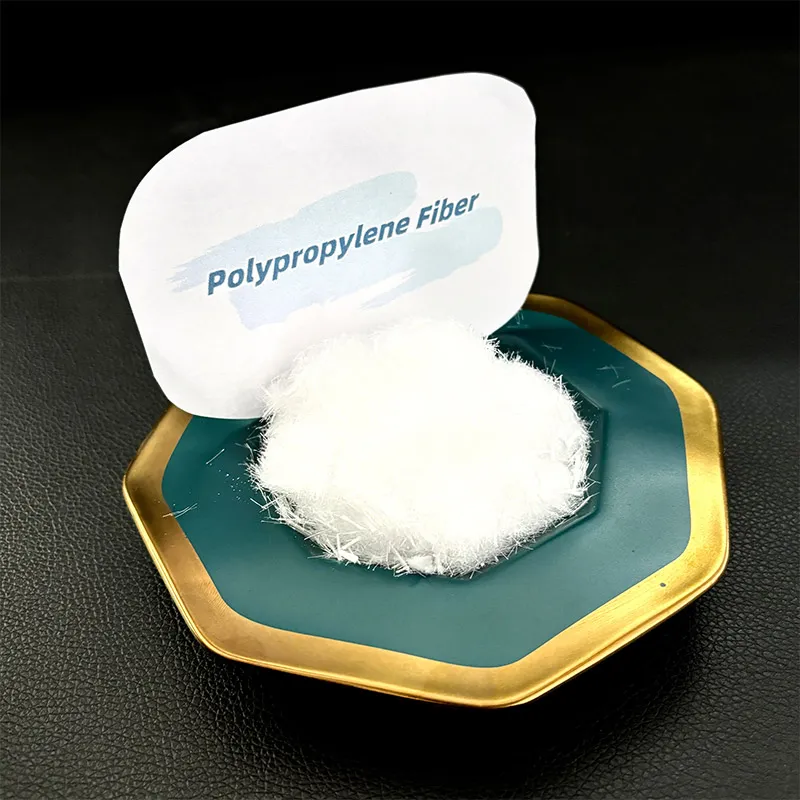
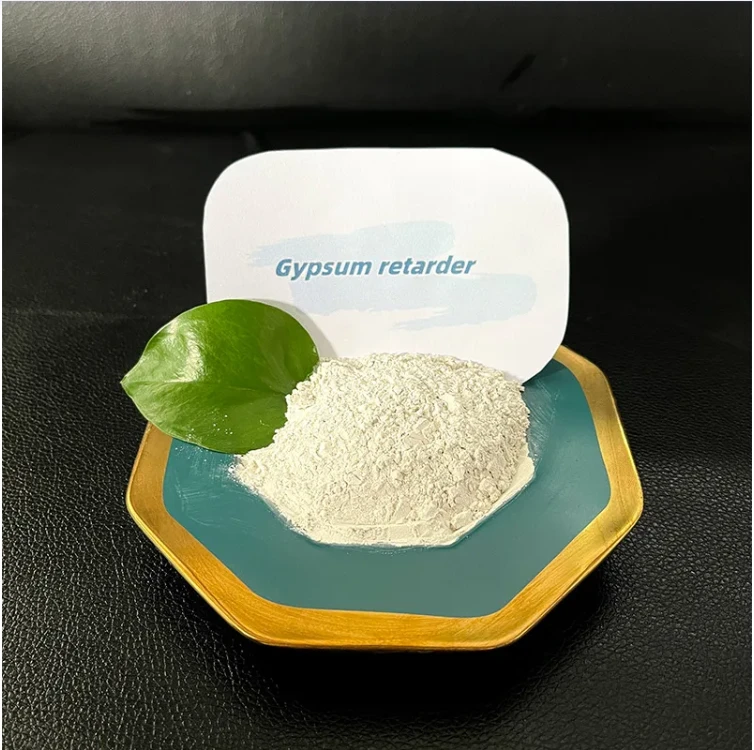
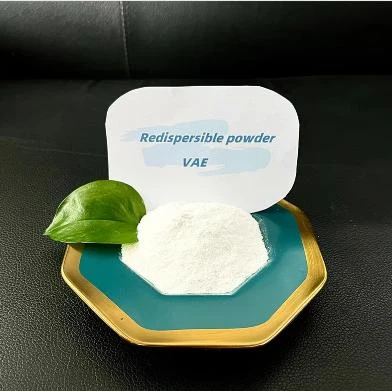
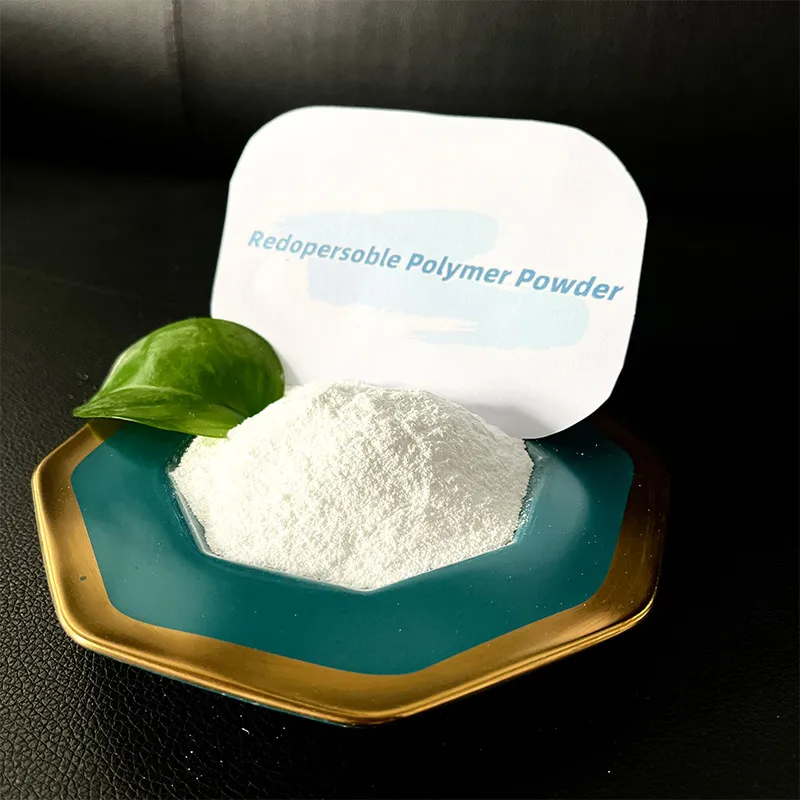

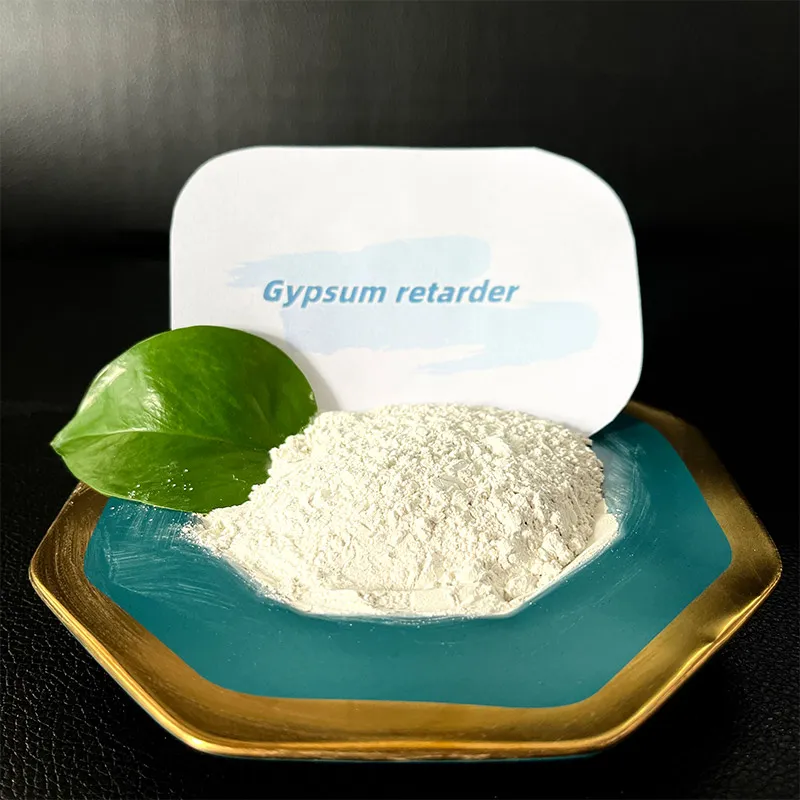


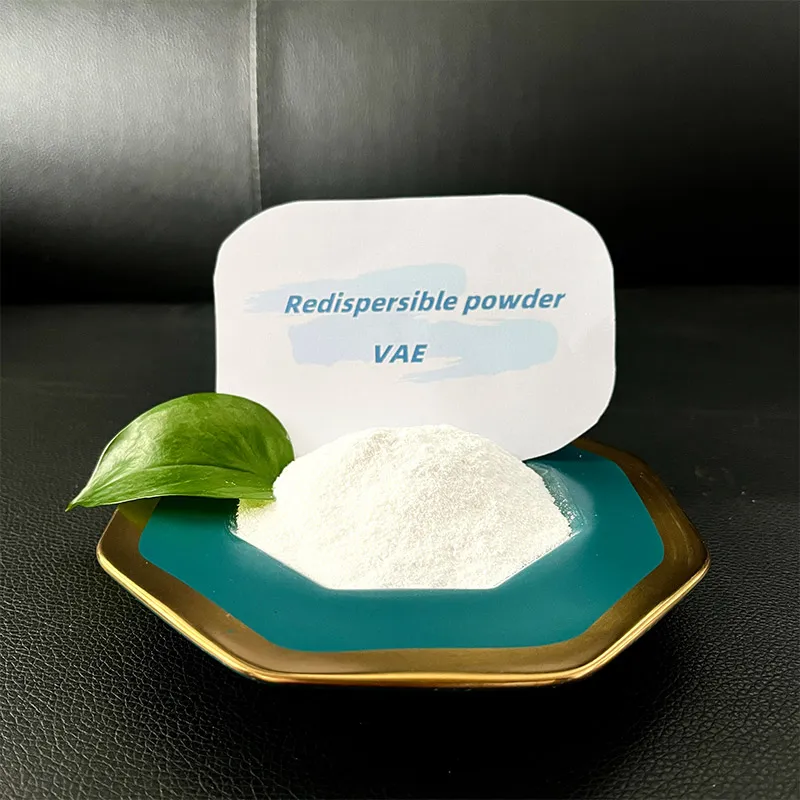
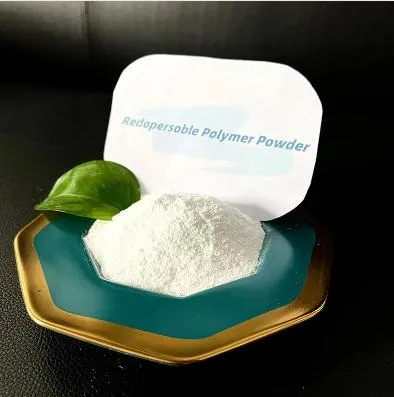
Redispersible powder VAE: Field Notes from the Jobsite and the Lab If you work with dry-mix mortars, you already rely on redispersible emulsion powder . The acronym soup (VAE, EVA, etc.) can be confusing, but the value isn’t: flexibility, adhesion, and workability in a simple sack mix. I’ve seen crews shave hours off installs just by switching to a balanced VAE grade—less slump, better open time. Honestly, the difference shows up by lunch. What it is and why it’s trending Redispersible powder VAE is a spray-dried vinyl acetate–ethylene copolymer with protective colloids, designed to redisperse in water and coalesce with cementitious or gypsum binders. Market-wise, the trend is toward low-VOC, low-ash grades, improved hydrophobicity, and consistent performance in high-alkali cements. Many customers say the newer VAE grades handle better in hot, dry weather—less skinning, steadier open time. Quick specs (typical, real-world use may vary) Property Typical Value ≈ Method/Standard Polymer base VAE copolymer JC/T 2190 Glass transition (Tg) -10 to +5 °C DSC Bulk density ≈ 400–550 g/L JC/T 2190 Residual moisture ≤ 1.5 % JC/T 2190 Ash content ≈ 10–14 % 900 °C Redispersion Stable, fine ISO 3219 (dispersion) pH (50% dispersion) ≈ 6–9 ISO 976 Process flow and testing (how it’s made and proven) Materials: VAE base emulsion, protective colloid (often PVOH), anti-caking mineral, process water. Method: emulsion polymerization → filtration → spray-drying → sieving → packaging. Each batch is checked for moisture, ash, sieve residue, and redispersion. For mortar performance, labs track tensile adhesion per EN 1348/EN 12004, compressive strength per ASTM C109, and ETICS compatibility via ETAG 004 guidance. Service life? In systems like tile adhesives and ETICS, I’ve seen 20–30 years with proper formulation and installation, though climate and substrate prep absolutely matter. Applications and advantages Tile adhesives (C1/C2): stronger wet and heat resistance, longer open time. ETICS/basecoats: crack bridging, impact resistance. Self-leveling underlayments: cohesion, abrasion resistance. Gypsum plasters/putties: smooth troweling, reduced dusting. Repair mortars: adhesion to old concrete; surprisingly forgiving on marginal substrates. Many crews report 15–25% better tensile adhesion after water immersion with a well-chosen redispersible emulsion powder , plus cleaner edges and fewer callbacks. To be honest, the “feel” on the trowel sells it. Vendor snapshot and customization Vendor Base Typical Add-ons MOQ Price ≈ Lead Time SSH HongBang (Hebei) VAE Hydrophobic, low-ash options ≈ 1–3 MT Value-focused 2–4 weeks Global Vendor A VAE/E blends Premium modifiers ≥ 3 MT Higher 3–6 weeks Regional Vendor B VAE Standard anti-cake ≈ 1 MT Mid-range 2–5 weeks Customization knobs: Tg window for flexibility vs. hardness, hydrophobic treatment for wet rooms, ash level for color-critical grouts, particle-size profile for pumping, and anti-caking package for long hauls. In fact, pairing a flexible redispersible emulsion powder with a cellulose ether tweak can save a failing C2 recipe. Case notes, origin, certifications Case 1 (tile adhesive, coastal): switching to a hydrophobic VAE boosted wet-adhesion by ≈20% (EN 1348). Case 2 (ETICS basecoat): impact resistance improved from 6 to 10 J after optimizing dosage and sand grading (ETAG 004 method). Case 3 (gypsum putty, humid climate): less pinholing; painters actually called to say thanks—rare, I guess. Supplier origin: HeBei ShengShi HongBang Cellulose Technology CO.,LTDRoom 1904, Building B, Wanda Office Building, JiaoYu Road, Xinji City, Hebei Province. Certifications typically include ISO 9001; REACH and low-VOC declarations available on request. Storage: keep bags sealed, cool and dry; shelf life ≈ 12 months. Avoid lumping by minimizing condensation—basic, but it bites crews every summer. Where it fits next Expect smarter blends that keep redispersible emulsion powder performance stable across extreme temperatures. Also, tighter ash specs for light-colored decorative mortars, and maybe bio-based protective colloids—early days, but promising. References JC/T 2190-2013 Redispersible Polymer Powder for Mortar. EN 12004, EN 1346/1348: Adhesives for tiles — Test methods and requirements. ETAG 004 / EAD 040083-00-0404: ETICS with rendering — Assessment methods. ASTM C109/C109M: Compressive Strength of Hydraulic Cement Mortars. ISO 9001:2015 Quality Management Systems; ISO 3219 Rheology (reference for dispersion testing).
- 40000tons

Production
- 20+years

Experience
- 5000+㎡

Acreage

-
HPMC Church blends tradition with contemporary values, offering a unique experience that resonates with individuals seeking spiritual growth and community involvement. As a cornerstone in the community, HPMC Church’s offerings extend beyond spiritual guidance; they embody a comprehensive approach to personal and communal development through various programs and services. Having personally attended numerous services and events at HPMC Church, I can attest to its warm atmosphere and forward-thinking approach. The church welcomes everyone, from families to individuals on their personal journeys, ensuring an inclusive environment. Each sermon is meticulously crafted, addressing both spiritual and practical aspects of everyday life, which helps in engaging diverse audiences. The articulate and knowledgeable pastors present complex theological concepts in an easily understandable manner, drawing on both religious texts and contemporary issues. HPMC Church excels in expertise with various group sessions and workshops focused on personal growth, community service, and spiritual development. The well-trained facilitators, many of whom hold advanced degrees or possess decades of experience, are committed to nurturing the community’s spiritual and moral fiber. These sessions have fostered a deeper understanding of faith among attendees, encouraging them to apply these teachings to improve their personal and professional lives. Authoritativeness is another hallmark of HPMC Church . It has established itself as a reliable pillar within the community by consistently organizing charitable events, community outreach programs, and social justice initiatives. HPMC Church collaborates with local organizations and leaders to ensure its activities meet community needs effectively and ethically. This commitment to community service not only bolsters its reputation but also reinforces its position as a trusted institution within the region. hpmc church Trustworthiness is at the core of HPMC Church’s operations. Transparency in financial dealings, clarity in mission statements, and ethical conduct exemplify its commitment to maintaining the trust of its congregation. The church regularly updates its members on the allocation of funds, ensuring that donations directly contribute to community betterment and support various initiatives. Moreover, testimonials from congregation members highlight the church’s influence in changing lives through direct involvement and support in times of need. A noteworthy product arising from HPMC Church’s dedication is its comprehensive digital platform, designed to extend the church’s reach beyond physical confines. This platform contains an array of resources, including recorded sermons, educational materials, and interactive sessions, catering to both local and global audiences. The platform’s intuitive interface makes it user-friendly, encouraging more people to engage with the church’s activities and doctrine. In sum, HPMC Church stands as a bastion of faith, learning, and community service through its well-rounded and multifaceted approach. Whether through a heartfelt sermon, a well-executed community project, or an innovative digital initiative, HPMC Church’s dedication to enhancing individual and collective experiences is abundantly clear. This commitment not only energizes the local community but also attracts new members keen to explore spirituality in a trustworthy, expert, and authoritative environment.
-
The Emergence of Wood Pulp Fiber A Sustainable Alternative In recent years, the pursuit of sustainable materials has gained significant momentum, leading to innovative solutions in various industries, from textiles to construction. One such innovation is wood pulp fiber, a versatile material derived from the decomposition of wood into its fibrous components. As societies become increasingly aware of the environmental impacts of conventional materials, wood pulp fiber stands out as an eco-friendly alternative that offers numerous benefits. Understanding Wood Pulp Fiber Wood pulp fiber is primarily extracted through the pulping process, where wood logs are processed to separate cellulose fibers from lignin and hemicellulose. This process creates a raw material that can be transformed into a range of products, including paper, textiles, and biodegradable plastics. The most common types of wood used for pulp are softwoods such as pine and fir, which are favored for their long cellulose fibers that contribute to strength and flexibility. Environmental Benefits One of the most compelling advantages of wood pulp fiber is its sustainability. As it originates from trees, a renewable resource, the lifecycle of wood pulp products can be much shorter compared to synthetic fibers like polyester, which are derived from petroleum. Furthermore, responsibly sourced wood pulp contributes to forest health by promoting sustainable forestry practices that ensure trees are replanted, preserving biodiversity, and maintaining carbon sequestration. The Emergence of Wood Pulp Fiber A Sustainable Alternative Versatility Across Industries fibra hecha de pulpa de madera The versatility of wood pulp fiber makes it an attractive alternative for various applications. In the textile industry, wood pulp can be converted into lyocell or modal fabrics, which are not only soft and breathable but also produced in a closed-loop process that significantly reduces water pollution compared to conventional cotton production. These fabrics are gaining popularity in fashion due to their comfort, environmental credentials, and stylish finish. In the packaging sector, wood pulp fiber is paving the way for biodegradable packaging solutions. As consumers demand more sustainable packaging options, wood pulp provides a solution that can help reduce the environmental footprint of e-commerce, food delivery, and retail packaging. Challenges and Future Outlook Despite its numerous advantages, the adoption of wood pulp fiber is not without challenges. The availability of sustainably sourced wood can sometimes limit production, and the technology for processing wood into fiber continues to evolve. However, as awareness and demand for sustainable materials rise, investment in research and development is likely to accelerate, opening new avenues for efficient production methods and innovative uses for wood pulp fiber. Moreover, as regulatory frameworks continue to support sustainable practices and combat climate change, wood pulp fiber stands on the brink of becoming a mainstream material in various industries. Companies are recognizing the importance of aligning their supply chains with sustainability goals, making wood pulp fiber an attractive option that meets consumer demand for eco-friendly products. Conclusion Wood pulp fiber represents a promising shift towards sustainability, offering an environmentally friendly alternative to traditional materials across diverse industries. Its biodegradable nature, coupled with the potential for sustainable production, positions it as a key player in the movement towards a greener future. As both consumers and manufacturers increasingly prioritize sustainability, wood pulp fiber could very well become a staple in our daily lives, supporting a healthier planet for generations to come.
advantages
-

200000 Viscosities
Excellent product
We can produce pure products up to 200,000 viscosities
-

40000 tons
High yield
We don’t stop production all year round, and the annual output can reach 40,000 tons
-

24 hours
Quality service
We provide 24-hours online reception service, welcome to consult at any time
———— Inquiry Form
Schedule A services

-
 polyacrylic_acid_powder
Oct . 25, 2025
Hydroxypropyl Methyl Cellulose Ether Applications and Benefits Hydroxypropyl methyl cellulose ether -
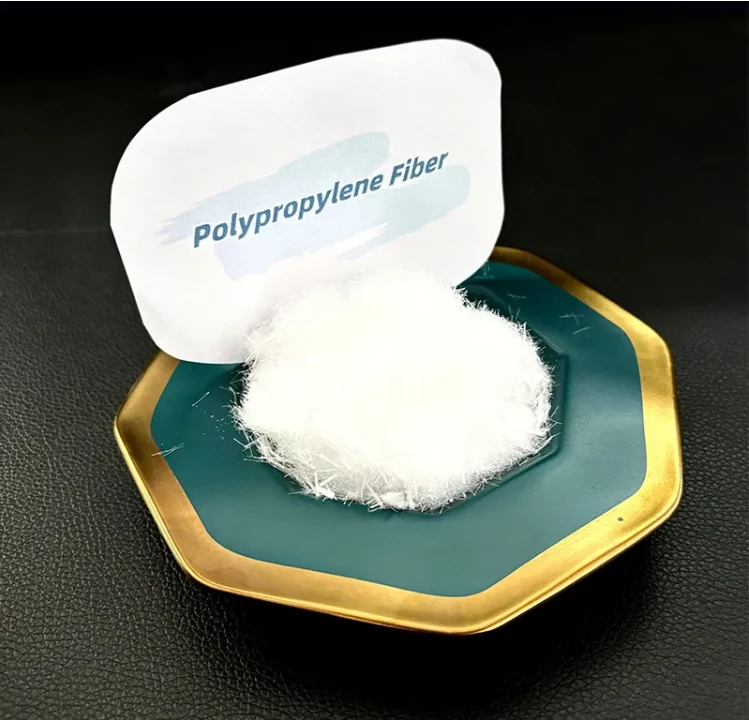
 bei_ya_polypropen_fiber
Oct . 25, 2025
Chemical materials have become an integral part of countless industries, enabling innovations and im -
 hpmc_binder
Oct . 25, 2025
Understanding the intricacies of HPMC juice can elevate your experience with this innovative product


